
Pinkerton’s BBQ
LOCATION
Houston, Texas
COMPLETED
In Progress
SQ FOOTAGE
4,000
CONSTRUCTION COST
$2M


Pinkerton's BBQ involved the transformation of an existing 4,000-square-foot interior shell space into a fully functional restaurant facility, requiring coordinated utility extensions, precise system sizing, and complete Mechanical, Electrical, and Plumbing (MEP) design services in compliance with local and state code requirements.
LOCATION
Houston, Texas
COMPLETED
In Progress
SQ FOOTAGE
4,000
CONSTRUCTION COST
$2M
All engineering services were designed in accordance with the standards of the Authority Having Jurisdiction, the State of Texas, and the Owner’s operational needs.
The HVAC system design began with detailed heating and cooling load calculations to determine appropriate equipment capacities and ensure occupant comfort within the dining and kitchen areas. Complete HVAC drawings were prepared suitable for permitting and construction, including duct distribution and diffuser layouts coordinated with the architectural ceiling design. The design accounted for the specialized ventilation requirements of a commercial kitchen, integrating provisions for makeup air and exhaust balance. While the kitchen exhaust hood was designed by others, GK Engineers incorporated its performance criteria and placement into overall load calculations and system design to ensure effective air balance and code compliance.
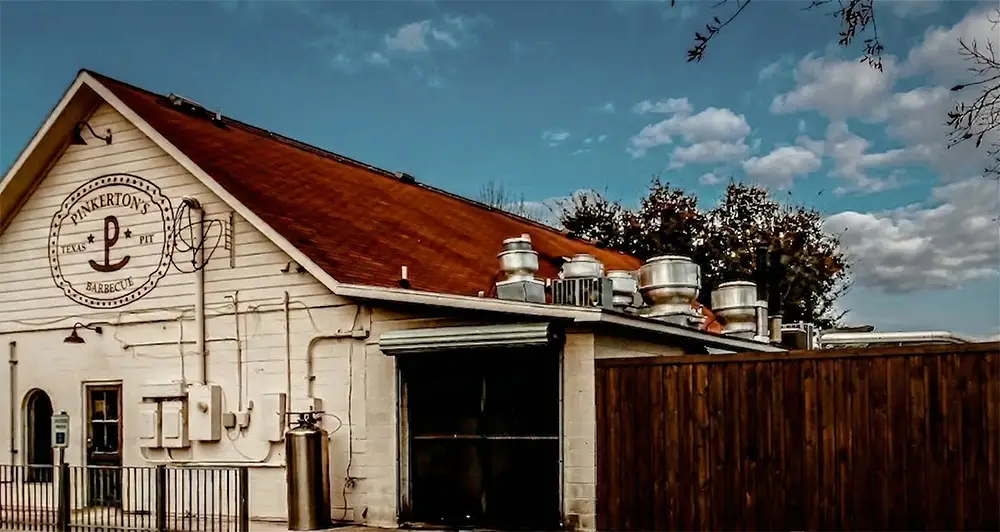
The electrical design included a complete distribution system serving both front-of-house and back-of-house operations. The scope encompassed panelboard sizing, branch circuit layouts, and power distribution for HVAC systems, kitchen appliances, and general wiring devices. Lighting system power design was provided per project requirements, with fixture selection and placement coordinated among the architect, owner, and lighting supplier. Site electrical coordination ensured that the existing electrical service could accommodate the additional restaurant load, and provisions were included for potential future equipment expansion.
The plumbing design extended existing site utilities to serve all new fixtures and equipment within the restaurant. Domestic water distribution was routed throughout the building, with a central hot water system and recirculation loop designed to ensure consistent hot water delivery to restrooms, kitchen sinks, and dishwashing areas. The sanitary waste system was designed to tie into existing building infrastructure, including an existing grease trap and sample well. Grease waste lines were coordinated to connect back into the existing grease system, and all plumbing work was designed for efficient routing and maintenance access. Coordination with the civil engineer ensured smooth connection of both domestic water and sanitary systems to the site utilities within five feet of the building.
MORE PROJECT CAPABILITIES
CONTACT
REACH OUT WITH A QUESTION OR QUOTE


